
A tummy tuck, also known as abdominoplasty, is a surgical procedure that removes excess skin and fat from the abdominal area and may also involve tightening weakened or separated abdominal muscles.

During the procedure, weakened or separated abdominal muscles may also be tightened when necessary, helping to create a flatter and firmer abdominal contour.
It is commonly considered by people who have excess or loose abdominal skin following pregnancy, significant weight loss or changes associated with ageing.
But never forget: it is not a weight-loss treatment. It is mainly for improving the shape of the stomach area.
In this video, I aim to provide you with a sincere and comprehensive explanation of tummy tuck surgery, addressing common questions, misconceptions, and the transformative potential. My goal is to empower you with knowledge, allowing you to make informed decisions about your well-being.
First, we talk about what you want to change and examine your abdomen. We look at your skin, fat, muscles and any old scars.
We mark the areas we plan to treat before starting. These markings help guide the placement of the incision during surgery.
A tummy tuck is performed under general anesthesia. So, you are asleep during the operation and don’t feel pain.
We make the cut low on the abdomen, usually where underwear can cover it. Then we lift the skin and remove the loose skin and extra fat.
If the stomach muscles have separated, we bring them back together and tighten them.
We then pull the skin down, remove the extra part and make a new opening for the belly button when needed.
At the end, we close the cuts with stitches. We may also place small drains for a short time to remove extra fluid.
You then wake up in the recovery area, where the team checks your pain, blood pressure and general condition.
Our goal is to inspire and empower individuals who may be considering tummy tuck surgery. Remember, everyone’s journey is unique, and what matters most is finding your personal path to self-confidence and well-being.
A tummy tuck in Turkey can be performed safely when you choose a licensed hospital or clinic and an experienced, qualified plastic surgeon. However, like any major surgical procedure, a tummy tuck has potential risks, and safety also depends on your general health, medical history and suitability for surgery.
Turkey has an established healthcare system, and healthcare facilities operate under national regulations. When considering surgery, you should check the clinic or hospital, the surgeon's qualifications and the standards of care provided.
Another potential advantage is access to treatment. Waiting times may be shorter than in some countries, although availability varies depending on the surgeon, clinic and treatment plan.
Patient testimonials and before-and-after photos can help you understand other patients' experiences and the types of results a surgeon has achieved. However, they should not be the only factors used to assess a surgeon's qualifications or experience. Before you book, check the surgeon's credentials, experience, patient reviews and real before-and-after photos.
Turkey can be a good choice because the treatment can be easier to plan from start to finish.
Turkey has an established healthcare system and many experienced plastic surgeons. Clinics and hospitals operate under healthcare regulations, so it is important to choose an appropriately licensed facility and check the qualifications of your surgeon before treatment.
Tummy tuck costs can be more affordable than in many European countries. Waiting times for private surgery may also be shorter, depending on the clinic and surgeon.
Many clinics offer package options that include surgery, hotel accommodation and transfers. This can make planning your treatment trip easier.
Real patient reviews and before-and-after photos can provide useful information about previous patient experiences and surgical results. You should check them carefully before coming to Turkey, while also verifying the surgeon's qualifications and the clinic or hospital where the operation will take place.
And if you choose Antalya, you may also be able to enjoy some time in the city around your treatment.
Antalya offers access to private hospitals and clinics that provide plastic surgery services, while many facilities also offer international patient coordination, airport transfers and accommodation support. Antalya’s international airport and direct flight connections from many European cities can also make travel and treatment planning more convenient for patients coming from abroad.
There are several types of tummy tuck, and the most appropriate technique depends on factors such as the amount and location of excess skin, abdominal muscle separation and your individual anatomy.
A mini tummy tuck is for a smaller amount of loose skin, usually below the belly button.
A full tummy tuck is for the whole abdomen. We remove more loose skin and also tighten separated muscles when necessary.
An extended tummy tuck goes further around the sides of the waist. It can be a good choice after major weight loss when excess skin extends beyond the abdomen.
A fleur-de-lis tummy tuck is used when there is a lot of loose skin in more than one direction. It removes skin both vertically and horizontally.
For some patients, we also perform liposuction with a tummy tuck to improve the waist and overall shape.
You may be a good candidate if:
We decide whether a tummy tuck is suitable for you after examining your abdomen, skin and muscles and assessing your general health and medical history.
A tummy tuck in Turkey may be right for you if you are a suitable candidate for the procedure and choose an experienced plastic surgeon and an appropriately licensed clinic or hospital.
Your suitability depends on factors such as your general health, medical history, amount of loose skin, abdominal muscles, weight stability, smoking status, future pregnancy plans and expectations from surgery. A consultation and medical assessment are therefore necessary before deciding whether a tummy tuck is appropriate for you.
In Turkey, tummy tuck costs are generally around $2,800–$5,500.
The final price depends on the type of tummy tuck, your surgeon, hospital, liposuction, muscle repair and what the package includes.
Turkey can be more affordable than many countries, particularly for private cosmetic surgery. For current tummy tuck prices in Turkey, you can contact us for an up-to-date quote based on your treatment plan.
The first days are important. So, take it easy and follow your surgeon’s advice.
Wear your compression garment for as long as your surgeon says. It helps with swelling and supports your tummy.
Start with short walks. But do not push yourself.
Take your medicines on time and according to your surgeon's instructions.
Keep the wound clean and dry. Do not swim or take a bath until your surgeon says it is safe.
Avoid heavy lifting and hard exercise for about 4–6 weeks, or for as long as your surgeon recommends.
Sleep in a slightly bent position at first if recommended by your surgeon. This can make the tummy feel less tight.
Drink plenty of water and eat well, including enough protein to support recovery.
Do not smoke while you heal. Smoking can slow wound healing and increase the risk of complications.
Some swelling, bruising and tightness are common after surgery and usually improve with time.
Go to your follow-up visits. Contact your medical team promptly if you develop severe or worsening pain, fever, heavy bleeding or other concerning symptoms. Seek urgent medical attention for symptoms such as chest pain or trouble breathing.
A tummy tuck is often combined with other procedures, depending on what you want to change and whether it is medically appropriate to combine the procedures.
Combining procedures can increase the length and complexity of surgery, so your surgeon should assess whether multiple procedures are appropriate for you.
A Fleur-de-Lis (FDL) tummy tuck is a type of abdominoplasty designed for patients with significant excess skin, often after major weight loss. Unlike a standard tummy tuck, it removes excess skin in both horizontal and vertical directions, which can improve the shape and contour of the abdomen. Because an FDL tummy tuck involves both horizontal and vertical incisions, it typically results in a vertical scar down the centre of the abdomen as well as a lower abdominal scar.
Not every patient is a candidate for the same tummy tuck procedure.
In this episode, Dr. Onur Oğan explains the difference between a traditional tummy tuck and an FDL (Fleur-de-Lis) tummy tuck and why patients with significant weight loss may benefit from a different approach to achieve the best possible contour.
Because the right procedure depends on your anatomy, skin quality, and goals.
A tummy tuck is a major surgical procedure, so there are risks you should know about.
Possible complications can include bleeding, infection, fluid accumulation under the skin (seroma), delayed wound healing, numbness, noticeable or thicker scars and blood clots. As with other major operations, rare but serious complications can also occur.
You can help reduce these risks by choosing a qualified and experienced plastic surgeon, providing complete information about your medical history and medications, stopping smoking as advised, following pre-operative and post-operative instructions and attending your follow-up appointments.
Your surgeon should explain the potential benefits, risks and alternatives before surgery so that you can make an informed decision.
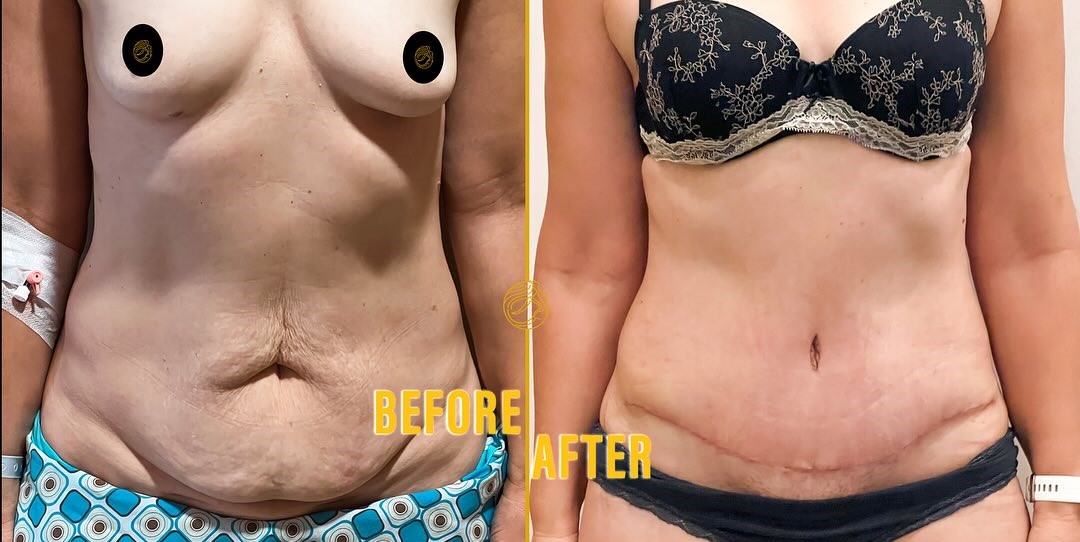
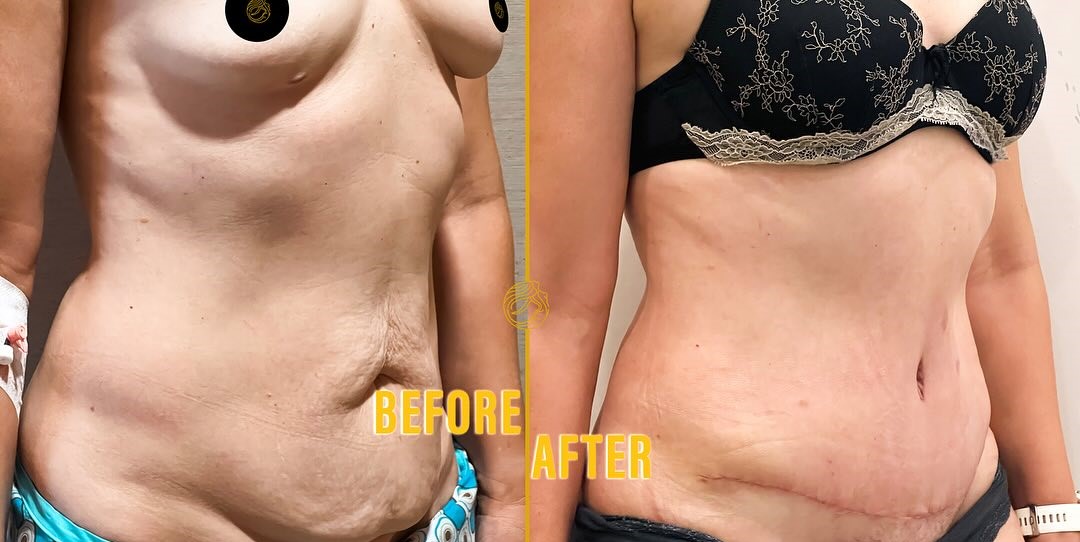
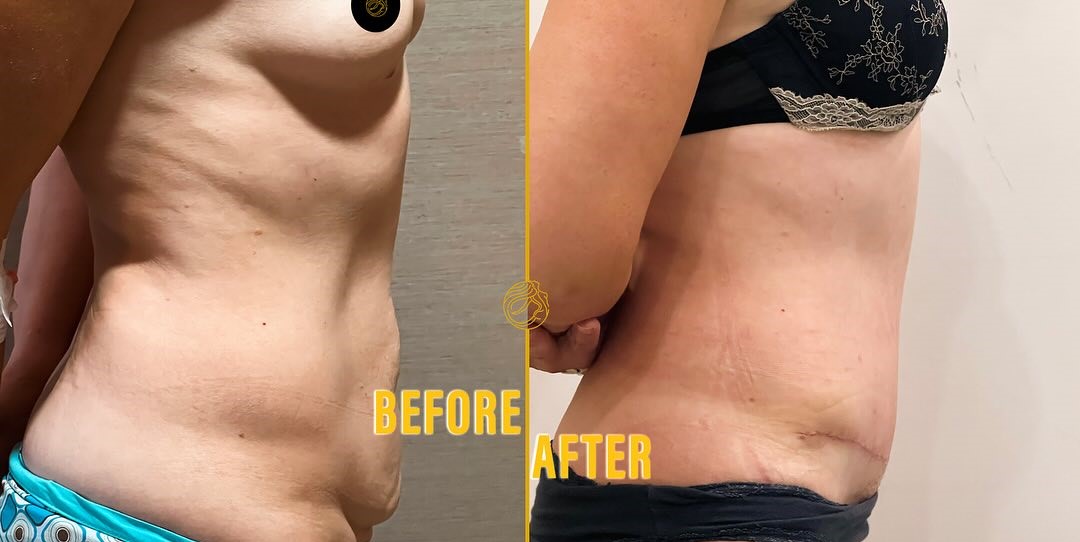
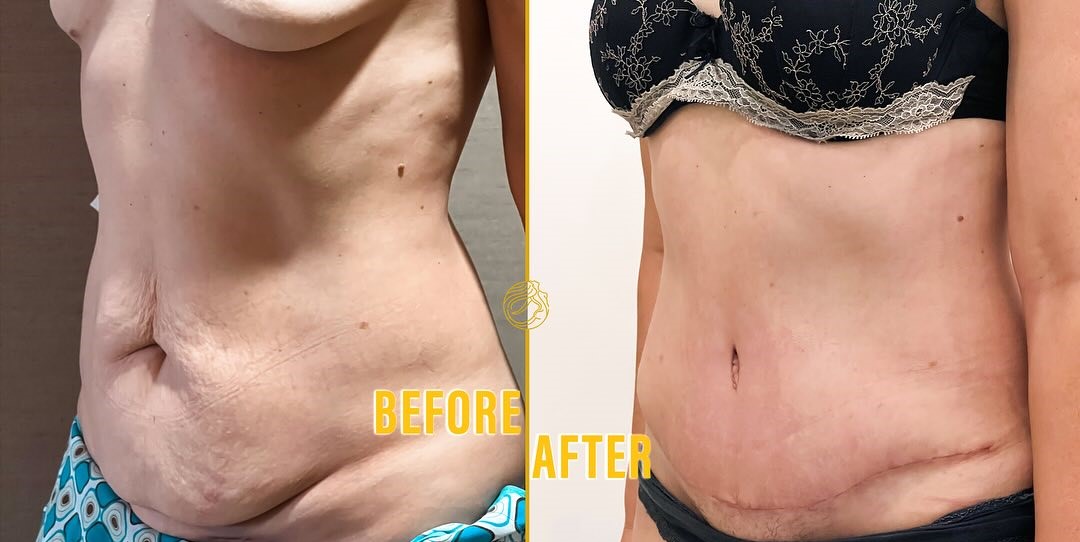
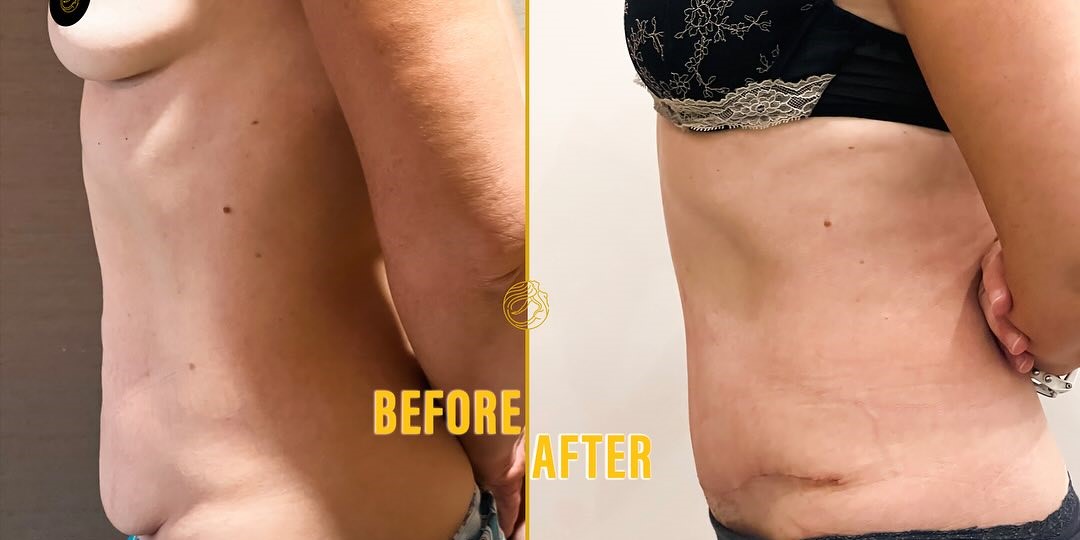
Results vary from patient to patient depending on individual anatomy, the extent of surgery and the healing process.
Patient reviews can tell you a lot about other patients' experiences with a tummy tuck clinic in Turkey.
Look for comments about the surgeon, hospital, recovery, communication and aftercare. Do not only read the five-star reviews. Check the negative ones too.
Before-and-after photos are also useful. They can show you the types of results the surgeon has achieved with previous patients, although individual results can vary.
Try to read reviews from more than one independent website. That can give you a clearer picture before you choose a clinic. Reviews should be considered together with the surgeon's qualifications, experience and the standards of the hospital or clinic.
In this interview, one of Dr. Onur Oğan's patients shares their personal experience five days after undergoing 360 liposuction, tummy tuck, breast lift and chin liposuction.
A tummy tuck can provide long-lasting results because the excess skin removed during surgery does not grow back. However, the appearance of your abdomen can change over time due to ageing, significant weight changes or pregnancy. Maintaining a stable weight can help preserve your results.
Yes. A tummy tuck does leave a scar. However, we place the cut very low on the abdomen when possible, so underwear or a bikini may cover it. The scar usually fades with time, although it does not disappear completely.
You will not normally feel pain during the operation because a tummy tuck is performed under general anesthesia.
After the anesthesia wears off, you will probably feel some pain, soreness or tightness for the first few days. Moving, standing up or coughing can temporarily increase your discomfort. The pain usually improves gradually during recovery.
Take the painkillers your surgeon gives you according to their instructions. Your surgical team will advise you on appropriate ways to manage discomfort during your recovery.
Many people can return to desk work in about 2 weeks, although recovery time varies from person to person. You may need longer if your job involves lifting or physical activity. Your surgeon will advise you when it is safe to return to work based on your recovery.
| Feature | Mini Tummy Tuck | Full Tummy Tuck |
|---|---|---|
| Area | Lower tummy | Upper and lower abdomen |
| Skin removal | Less | More |
| Muscle repair | Limited or not always required | Can be more extensive when needed |
| Belly button | Usually unchanged | Often repositioned |
| Scar | Usually shorter | Usually longer |
| Recovery | Usually faster | Usually longer |
ISAPS Global Survey 2024
International Society of Aesthetic Plastic Surgery (ISAPS)
Tummy Tuck Risks and Information
NHS – Tummy Tuck (Abdominoplasty)
For more detailed information and to find out whether tummy tuck surgery is suitable for you, you can consult Op. Dr. Onur Oğan, an experienced plastic surgeon who performs tummy tuck procedures.