
Piezo rhinoplasty is a modern, bone-sculpting technique used in nose surgeries. But it’s not like the old method with hammers and rasps. It’s way more precise. Instead of breaking the nasal bones, surgeons use a device that works with ultrasonic vibrations. This tool can cut bone, but leaves soft tissues, vessels, and skin untouched.
That’s why swelling and bruising are usually much less than in the old methods. And recovery is fast and better. Especially if you have thin skin, this technique helps shape the nose more smoothly.
Surgeons can control every move better with this trend method. That means more natural results. The tool doesn’t harm the tissue around the bone, so there’s less trauma overall.
Scars? Mostly none. Cuts are usually inside the nose.
|
Piezo Rhinoplasty |
Traditional Rhinoplasty |
|
Technique: Cuts bone with ultrasonic vibrations. |
Breaks bone with manual tools. |
|
Tissue safety: Spares soft tissue and vessels. |
May damage nearby tissue. |
|
Bruising/Swelling: Much less bruising and swelling. |
Often more trauma and swelling. |
|
Precision: Very precise shaping. |
Less control over fine details. |
|
Healing time: Recovery is quicker. |
Recovery takes longer. |
|
For thin skin: Better for thin-skinned patients. |
May cause visible irregularities. |
|
Tools used: Modern, vibration-based device. |
Traditional surgical tools. |
The main difference is in the tools. Manual tools are used in traditional rhinoplasty to break and reshape the bone. It’s more forceful. That’s why it usually causes more swelling and bruising.
Piezo rhinoplasty works with ultrasonic vibrations. The device cuts bone only without harming soft tissue or vessels. So, healing feels easier.
More control?
Yes, with piezo.
Less trauma?
Also piezo.
Piezo is ideal for detailed shaping, especially in patients with thin skin. Traditional methods can still work well, but piezo offers a gentler and more modern approach.
Wondering what actually happens during a piezo rhinoplasty? Let’s break it down step by step.
Consultation and planning
First, you meet the surgeon. They examine your nose and talk about your expectations. Photos are taken, and the nose is digitally analyzed. You both decide on the new shape together.
Painful plan?
No. Just clear goals.
Anesthesia
The surgery is usually done under general anesthesia. You’ll be asleep the whole time. No pain, no awareness.
Surgical steps
The surgeon starts with tiny incisions, often inside the nose. No visible scars. Then comes the piezo tool. It reshapes the bone using ultrasonic energy. Only the bone moves, nothing else gets touched.
Hard push? No. Gentle and targeted.
If needed, they adjust the cartilage, fix a deviated septum, or refine the tip. Every step is done with control and precision.
Closing and recovery
Once shaping is done, the incisions are closed. A small splint is placed to support your new nose. No heavy packing inside. So, you cab breathe easier after surgery.
So, the whole process is clean, modern and careful. Less trauma, more comfort. And the best part? The results look natural.
Pros
Cons
No surgery is perfect. But piezo rhinoplasty comes pretty close, especially if you want precision without the extra trauma.
Pros – Why do people love it?
The biggest win? Less swelling, less bruising. Since the device only touches bone, soft tissues stay safe. That means you feel better, faster.
The tool gives the surgeon full control. Tiny adjustments become easier. That’s a big plus for people with thin skin or who want very natural results. Also, most of the time, there’s no visible scar since cuts stay inside the nose.
And breathing? If there’s a septum issue, they fix that during the same procedure.
Cons – Anything to worry about?
It takes longer than traditional surgery. Surgeons move slowly because the tool is precise. So, the operation might last a bit more.
Also, not every clinic has this technology. And not every surgeon knows how to use it well. It’s a special skill.
Price? A bit higher. But many say it’s worth it.
So, piezo is not for everyone. But if you're looking for smooth results, less bruising, and a gentler recovery, it’s one of the best options out there.
Healing after piezo rhinoplasty is lighter than you might expect. Because the tool protects soft tissue, recovery is smoother from day one. Big pain? No, just mild pressure.
Swelling peaks in the first 2–3 days, then slowly goes down. Bruising is usually minimal. You’ll wear a small splint for about a week. No heavy packing inside the nose, so breathing stays easier.
You should avoid exercise for 2–3 weeks. Sleep with your head up. And don’t touch the nose too much. It’s still settling into its shape.
Final result? Takes months. But you’ll see big changes after a few weeks.
Stick to your surgeon’s aftercare plan. Clean gently, eat soft food early on, and go to your check-ups. That’s how you help the nose heal beautifully without surprises.
Piezo rhinoplasty isn’t for everyone, but if you want a gentler, more precise nose job, it might be just right for you.
Who’s it best for? People who care about details.
If you have a dorsal hump, wide nasal bones, or a crooked nose, piezo works well. It helps reshape the bone smoothly without extra trauma. It’s also great for people with thin skin, because even the tiniest irregularity can show. With piezo, the surgeon can avoid that.
It also works for revisions, but the surgeon needs to evaluate it carefully. You should be healthy, not smoke, and have realistic expectations.
If you want natural results, smooth lines, and an easier recovery, piezo could be the upgrade your nose has been waiting for.
Turkey
Prices usually range from €2,500 to €4,500. You get experienced surgeons, modern hospitals, and full packages. Most clinics include anesthesia, surgery, hospital stay, and even airport transfers. That’s why people from all over the world come here for it.
Why cheaper? Lower costs, not lower quality.
USA
Here, the range jumps to $9,000 – $15,000. Clinics in cities like LA or New York charge more. And not everything is included. You might pay extra for post-op care, medication, or even the consultation.
Famous clinic? Higher bill.
Europe
Costs vary by country. In places like Germany or the UK, it can go from €6,000 to €10,000. Some cities charge more just because of their location. If you look at countries like Spain or Czechia, you might find better deals.
What changes the price?
The surgeon, the clinic, and what’s in the package.
Always ask this: “What exactly does the price include?”
Because a low number means nothing if half the care comes as a surprise cost later.
So yes, the price tag matters, but what you get for it matters more.
You can contact Op.Dr. Onur Oğan Clinic in Antalya to schedule a consultation and get an exact price for the procedure. He will evaluate your case and provide a clear, personalized treatment plan based on your needs.
Studies confirm ultrasonic devices improve operative precision and safety in rhinoplasty, decreasing risks of fractures and soft tissue trauma. These risks are uncommon, especially with skilled surgeons and proper aftercare.
This surgery needs skill, not just a fancy clinic. The device is modern, yes. But the real magic? It’s in the hands using it.
Check their experience
Not every plastic surgeon knows piezo well. Look for someone who specializes in rhinoplasty and has used ultrasonic tools often. Ask this directly.
Look at before and after photos
Don’t just scroll, zoom in. Focus on nose bridges, tips, and overall harmony. A skilled surgeon makes noses look natural, not overdone.
Read real reviews
Find patient stories. What did they like? Any regrets? Look for honest feedback on both the results and recovery. A good surgeon gets praised for their hands and their follow-up.
Ask clear questions
During consultation, ask:
They should answer confidently and clearly.

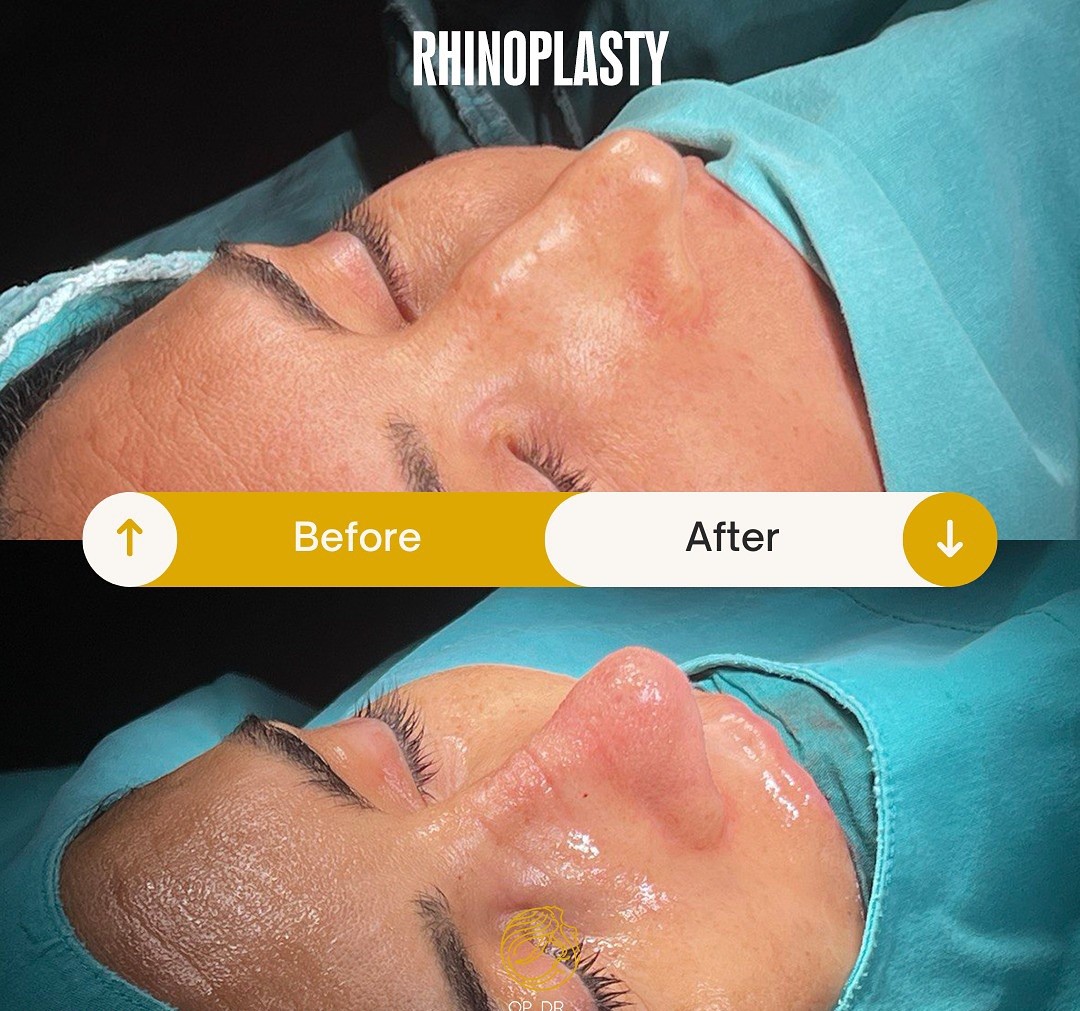
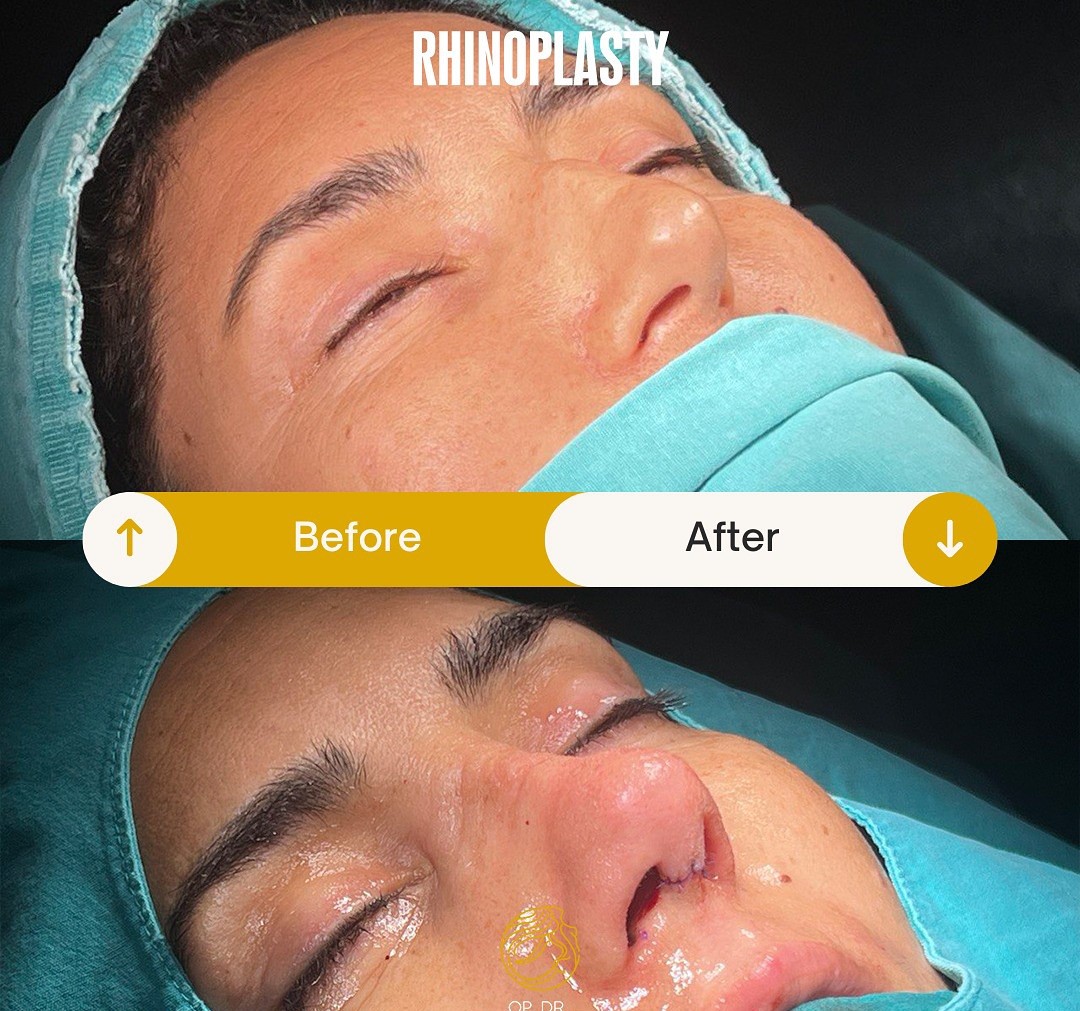
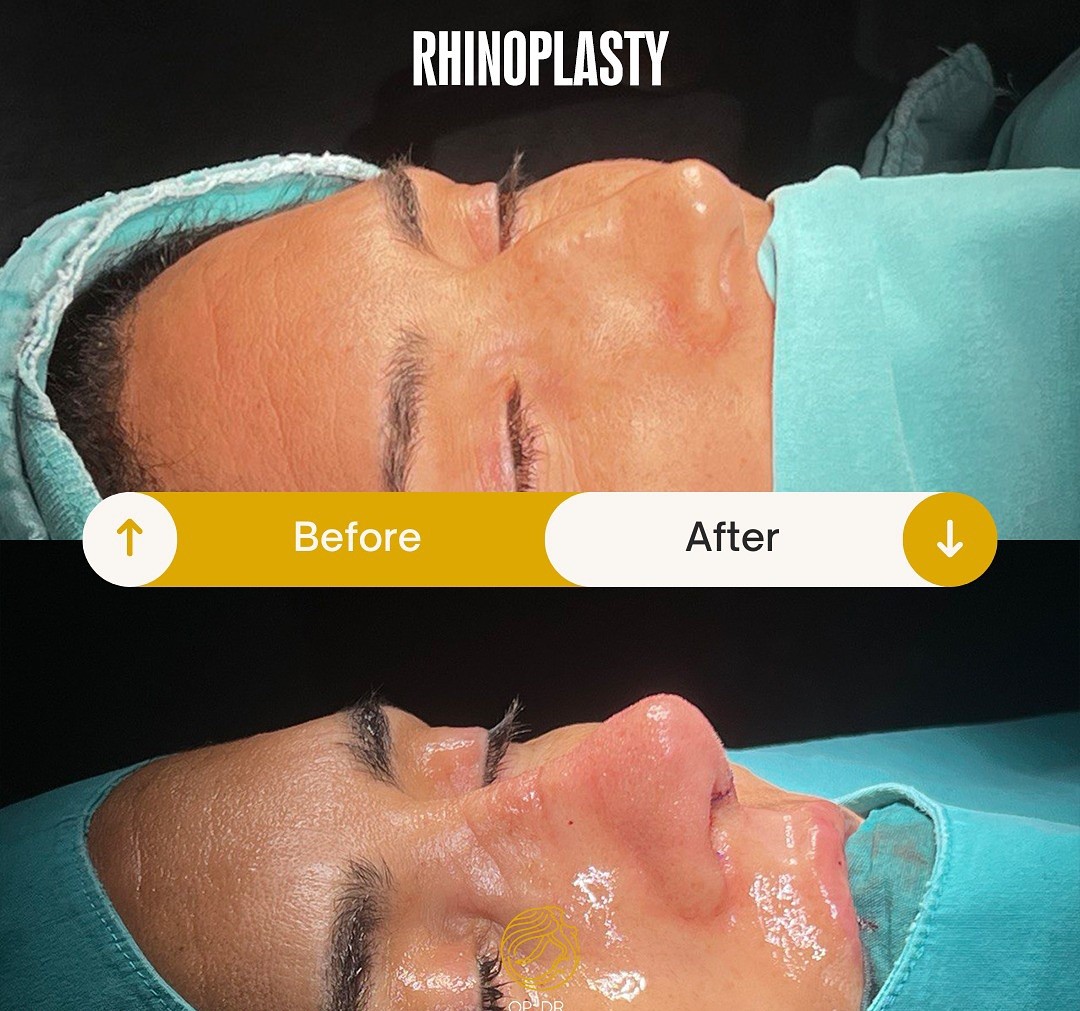
For many people, yes. It causes less bruising, offers more precision, and helps with faster recovery. Especially if you have thin skin or want a smooth, natural look, it’s a great option. But the best choice still depends on your nose, your goals, and your surgeon’s skills.
Yes, usually. Piezo rhinoplasty costs more than traditional methods. The device is high-tech, and not every clinic has it. And, it takes more time and skill. But many patients feel the smoother healing and natural results make it worth the price.
Not really. Most patients say they feel pressure, not pain. Since the piezo device avoids soft tissue, recovery is gentler. You might feel a bit of discomfort the first few days, but it’s usually mild and easy to manage with painkillers.
To get more and detailed information, it's best to consult a board-certified Op. Dr. Onur Oğan experienced in performing rhinoplasty procedures.