
Ask ten mothers what they'd change about their body after pregnancy and you'll get ten different answers. One is bothered by the loose skin that sits over her C-section scar. Another says her stomach still looks five months pregnant, no matter how many planks she does. A third is fine with her tummy but misses the breasts she had before breastfeeding two children.
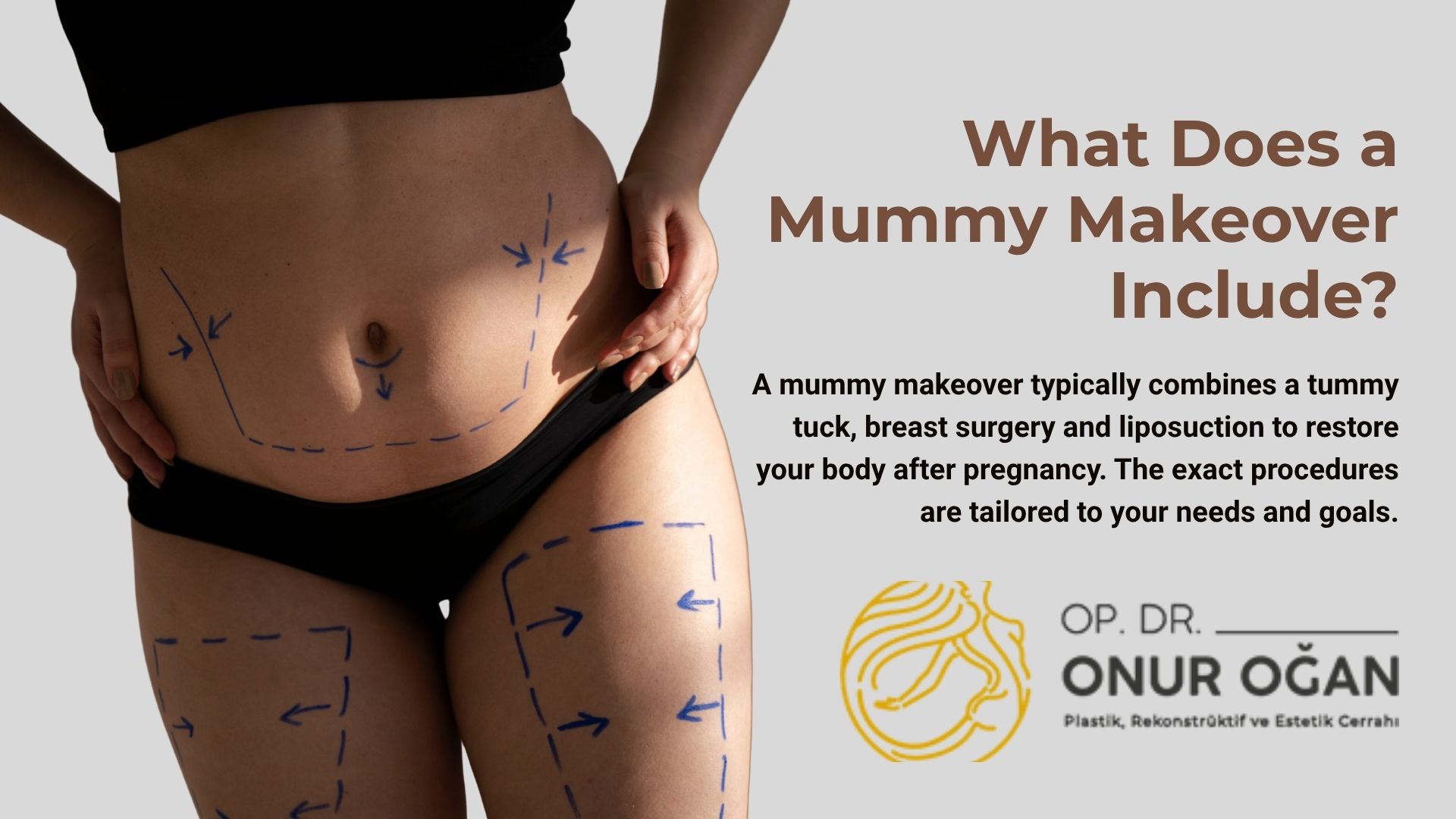
That's exactly why there's no single "mummy makeover operation." The term describes a combination of procedures, chosen to deal with the specific changes pregnancy left behind. So when patients ask us, "What does a mummy makeover include?", the honest answer is: it depends on you. But there are some core procedures that show up in most plans, and it helps to understand what each one actually does.
A Mommy Makeover is not a single procedure; it’s a personalised combination of treatments designed to restore the body after pregnancy.
From tummy tuck and liposuction to breast lift or implants, every plan is tailored to the patient’s needs and goals.
Because there is no one-size-fits-all; it's only what’s right for you.
It's easier to understand the procedures once you know what they're trying to fix. Pregnancy and breastfeeding typically affect three areas:
A mummy makeover plan is built around which of these apply to you, and how much.
For most women, this is the heart of the operation. A tummy tuck does two things that no amount of exercise can do: it removes excess, stretched skin, and it stitches the separated abdominal muscles back together.
That muscle repair matters more than people expect. Many patients come in thinking their problem is fat, when actually it's the muscles that have drifted apart. Once they're repaired, the waist looks narrower and the belly flatter, and some women tell us their posture feels better too.
The incision sits low, usually below the bikini line. If you've had a C-section, the old scar can often be removed as part of the same excision. The belly button is also repositioned and reshaped, since the skin around it moves during the procedure.
If the loose skin is mainly below the belly button and the muscles are in reasonable shape, a mini tummy tuck with a shorter scar may be enough.
This part varies the most from patient to patient. Depending on what's changed, the breast component might be:
Stretched or enlarged areolas can usually be made smaller during the same surgery. Other nipple concerns can be addressed with nipple correction.
Liposuction is the finishing tool. It's used to contour areas like the flanks ("love handles"), lower back, hips or thighs, so that the result looks balanced rather than like a flat stomach attached to an unchanged body. In a mummy makeover, liposuction of the flanks is often done alongside the tummy tuck to sharpen the waistline.
It's worth being clear on one thing: liposuction removes fat from specific areas. It isn't a weight-loss method, and it can't tighten loose skin on its own.
Some patients add one or more of these, depending on their goals:
Not every addition belongs in the same operation, though. How much can safely be combined in one session depends on your overall health, the total operating time and how extensive each procedure is. Sometimes splitting the plan into two stages is the safer and smarter choice, and a good surgeon will tell you so.
That's decided during your consultation. Op. Dr. Onur Oğan will examine you, listen to what bothers you most, and look at things like skin quality, the degree of muscle separation, breast shape and your medical history. From there, a plan is put together that might include all of the above, or just two procedures.
A few questions you'll probably be asked:
When you're comparing clinics, it helps to know what surrounds the surgery too. A mummy makeover typically involves:
Recovery is gradual. Most women are up and walking the same day or the next morning, return to light daily activities within a couple of weeks, and wait around six weeks before lifting heavy things (including children, which is often the hardest part). You can read more in our guide on how long it takes to recover from a mummy makeover.
A mummy makeover can make a remarkable difference, but it helps to go in with clear expectations. There will be scars, mainly along the lower abdomen and around the breasts. They're placed to be as discreet as possible and fade over a year or so, but they don't disappear entirely. Swelling also takes months to settle fully, so the result you see at three weeks isn't the final one. You can see real results on our mommy makeover before and after page.
Like any major surgery, a mummy makeover carries risks, including bleeding, infection, fluid collection, wound healing problems and blood clots. Choosing a qualified plastic surgeon and a properly equipped hospital, and following your aftercare instructions closely, keeps these risks as low as possible.
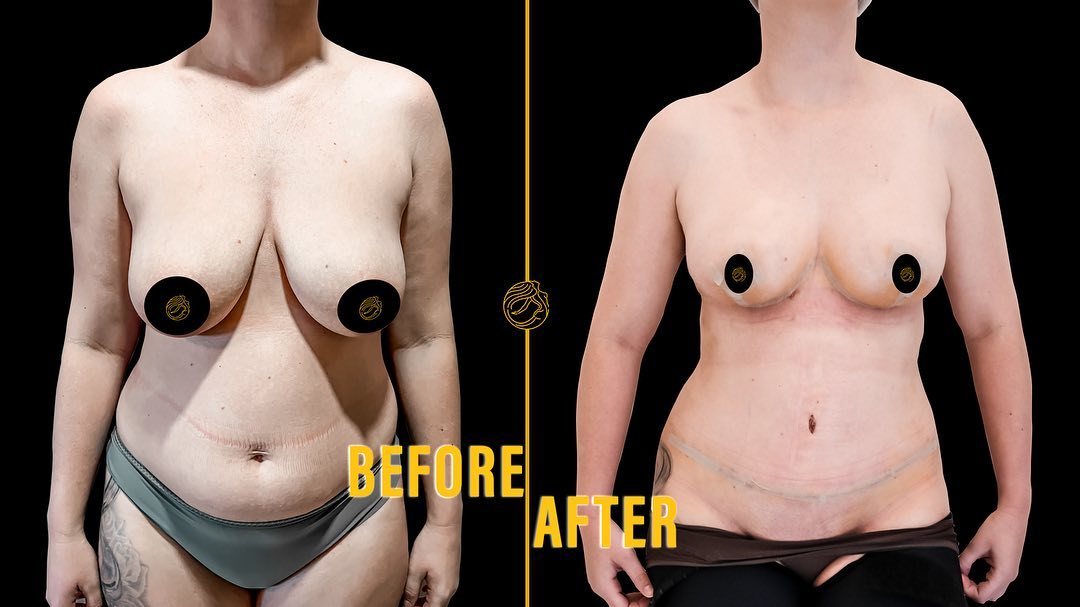
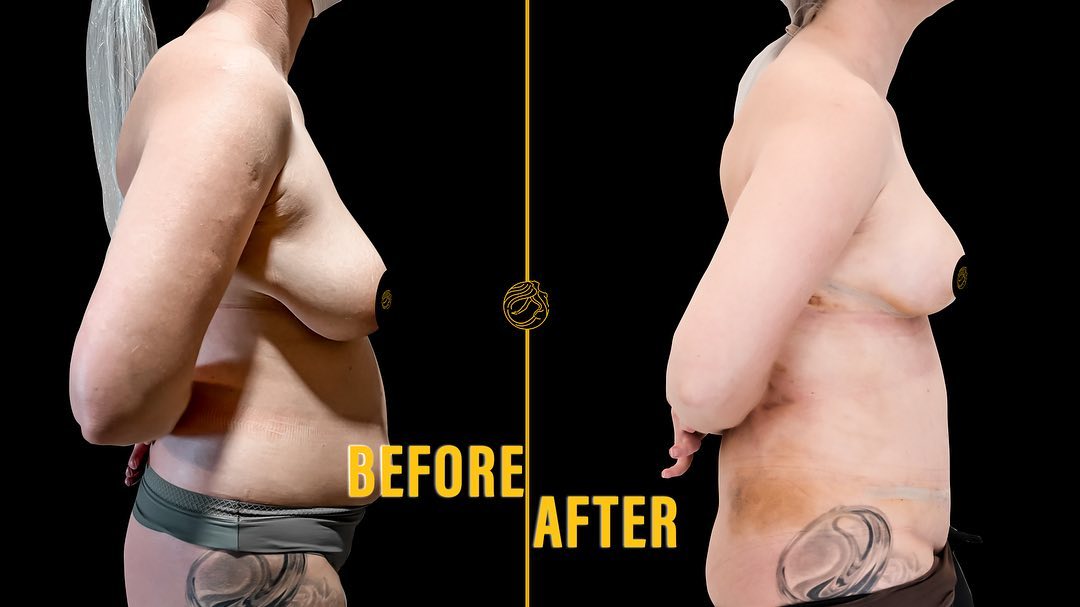
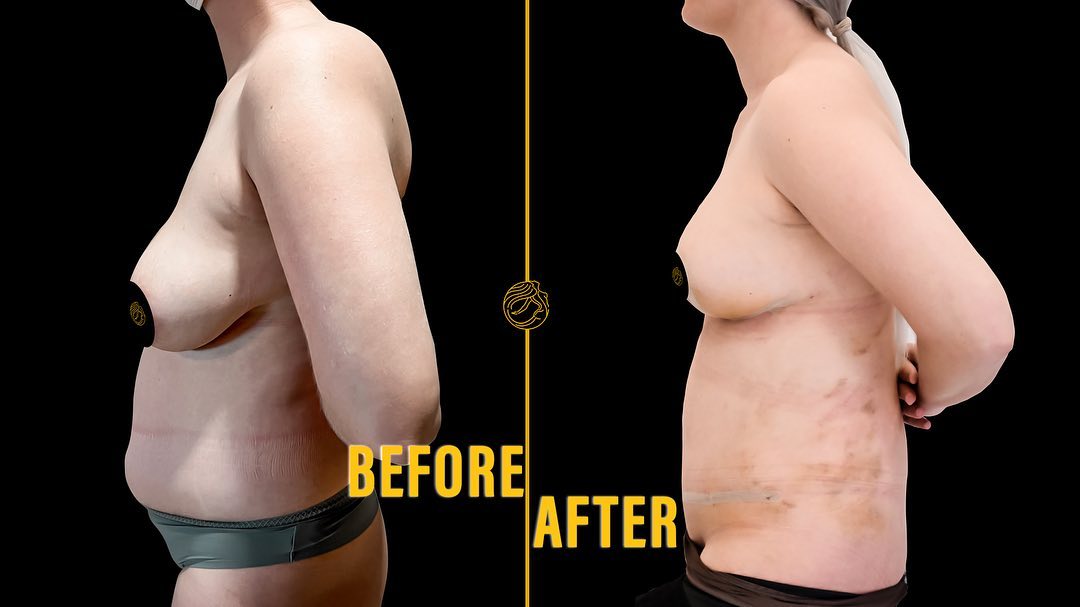
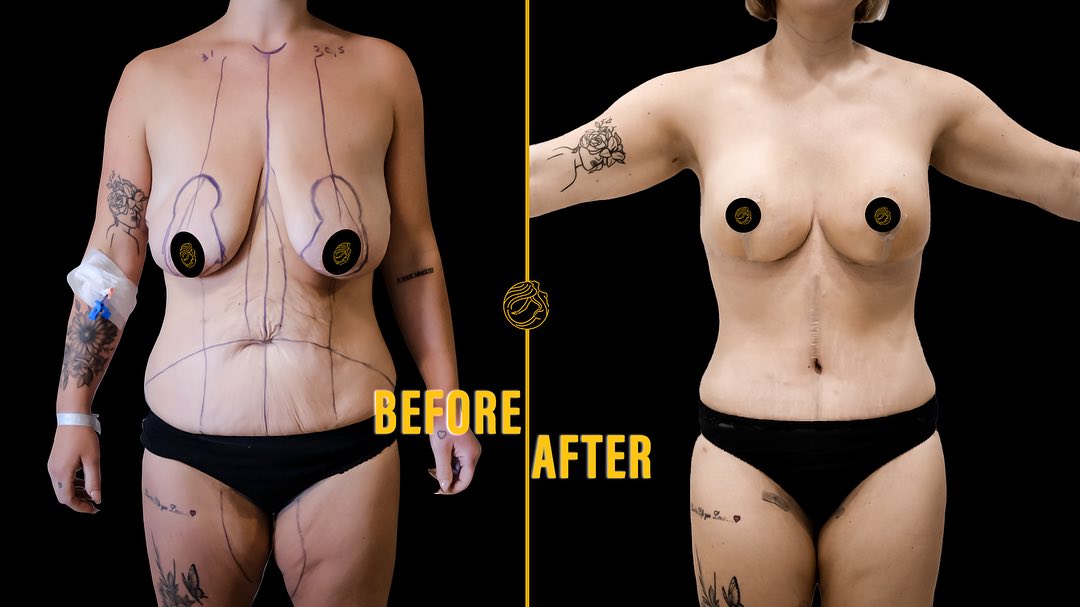
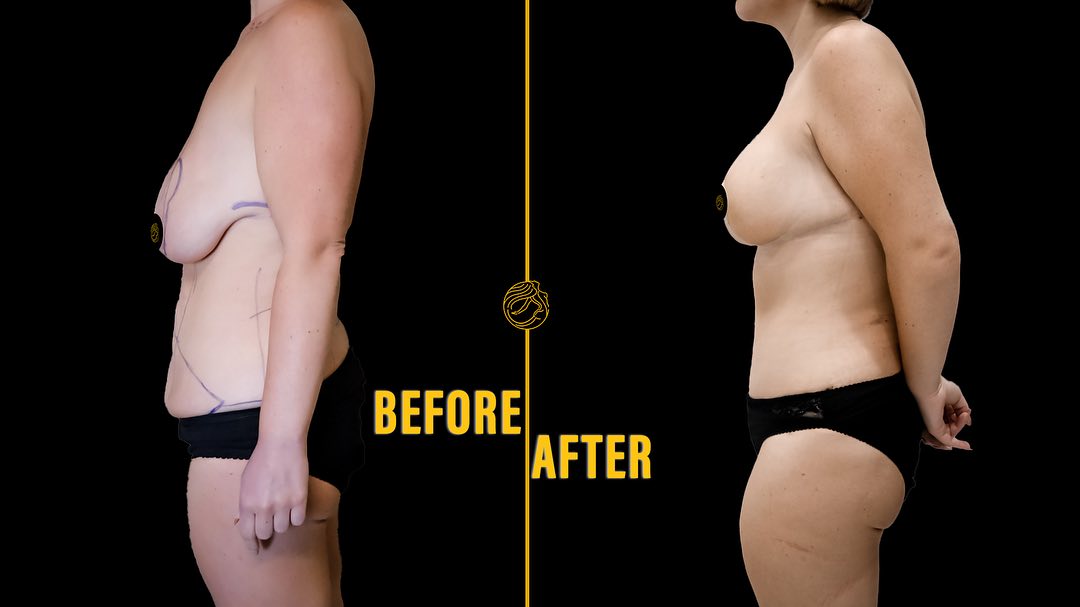
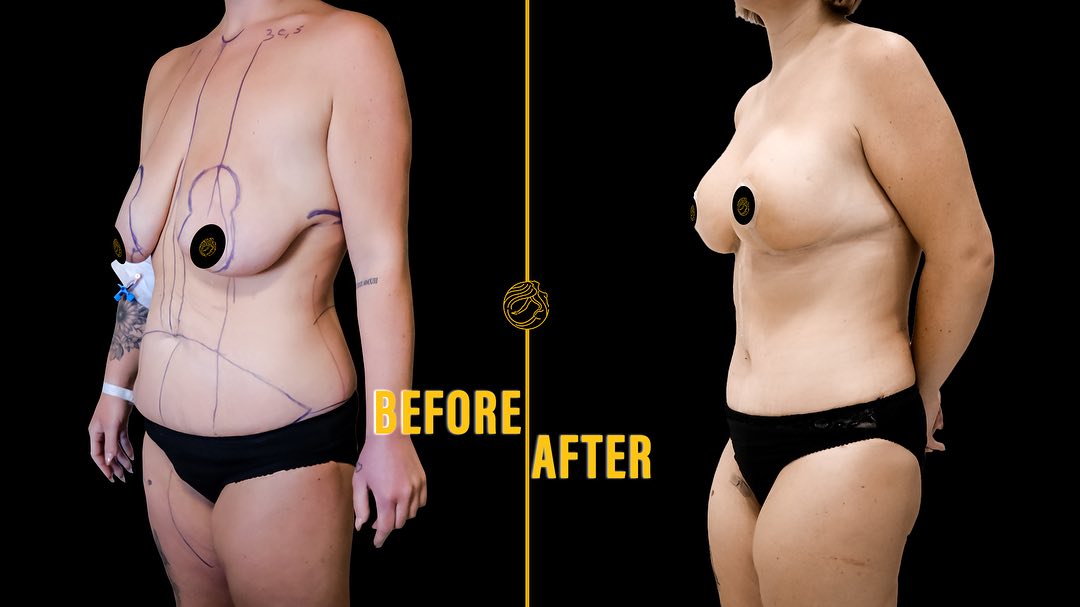
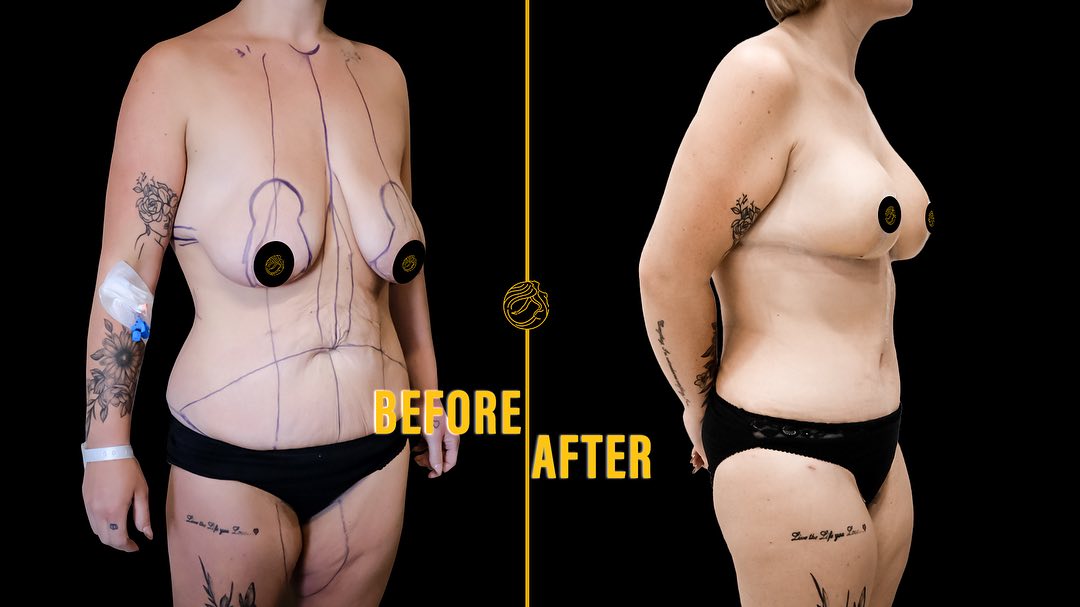
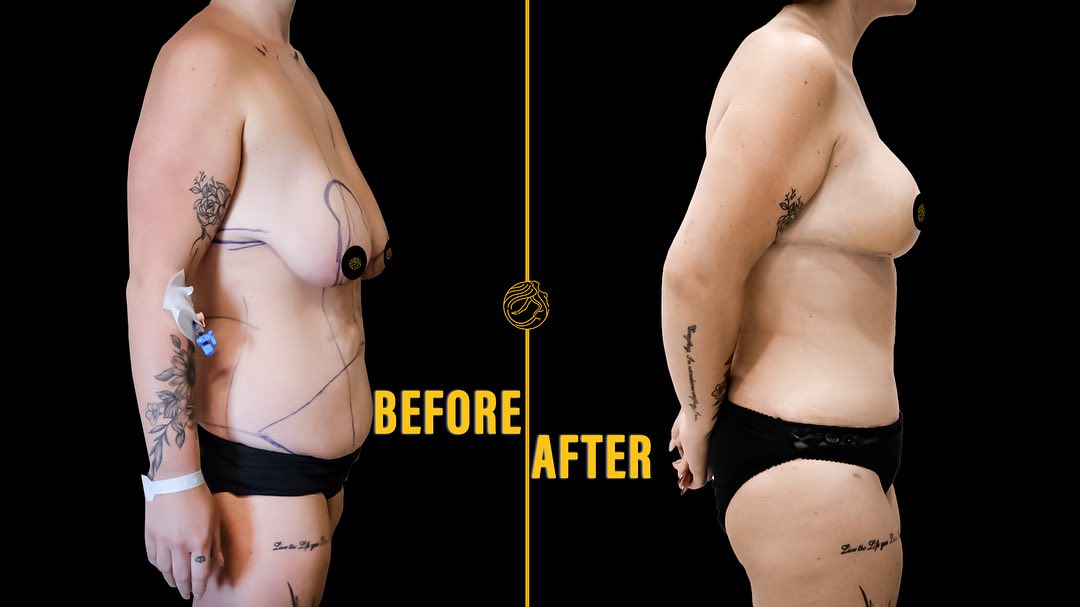
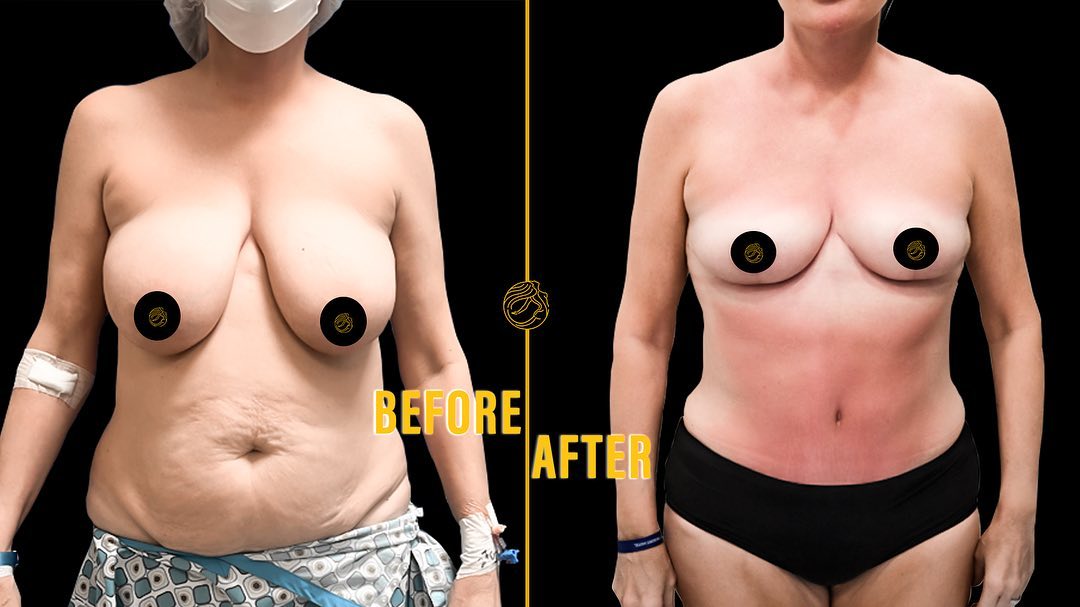
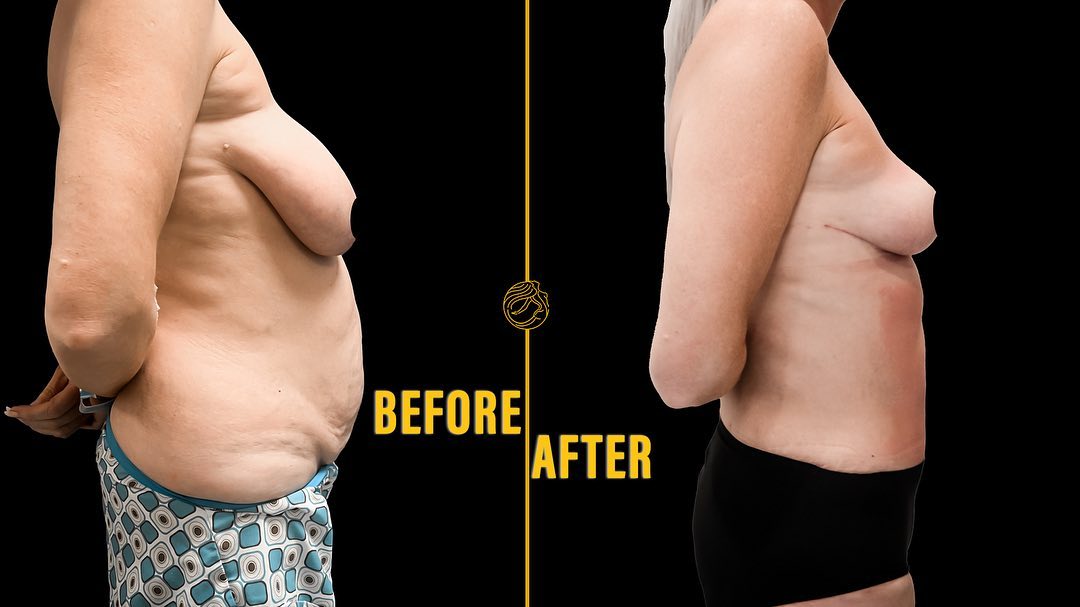
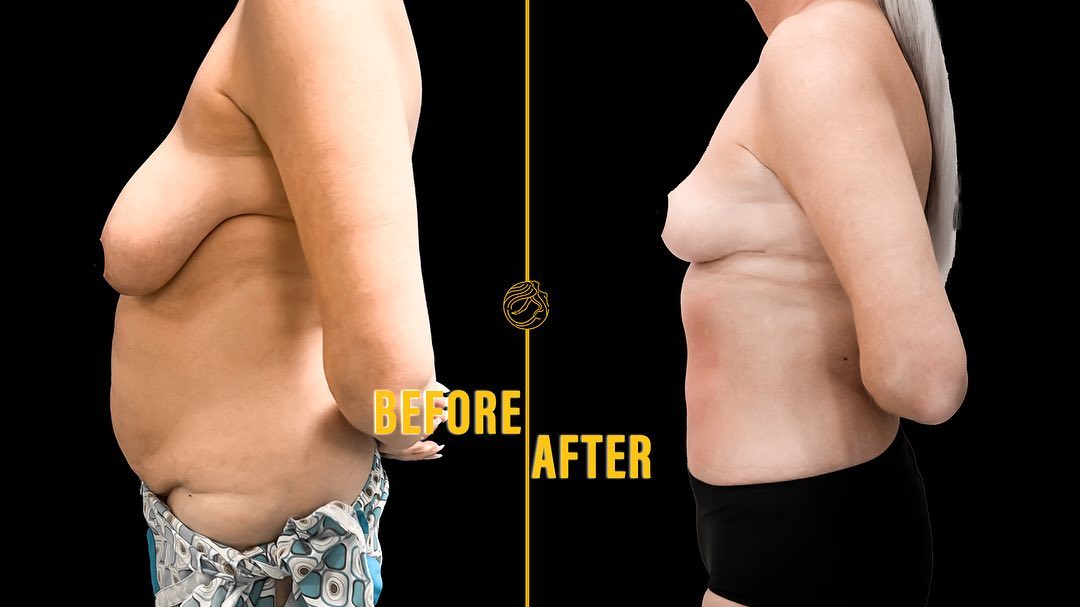
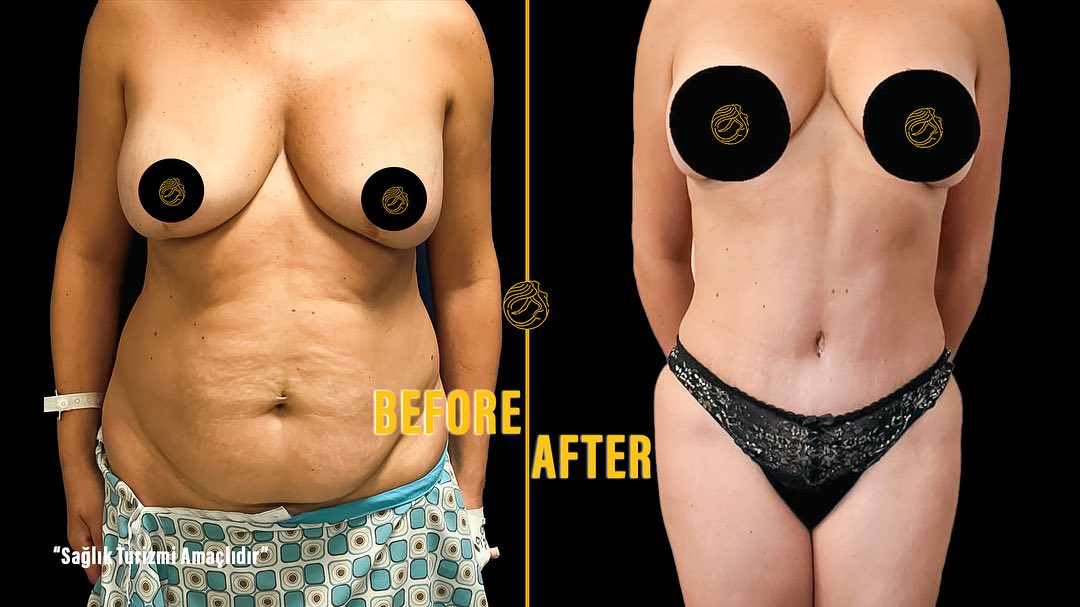
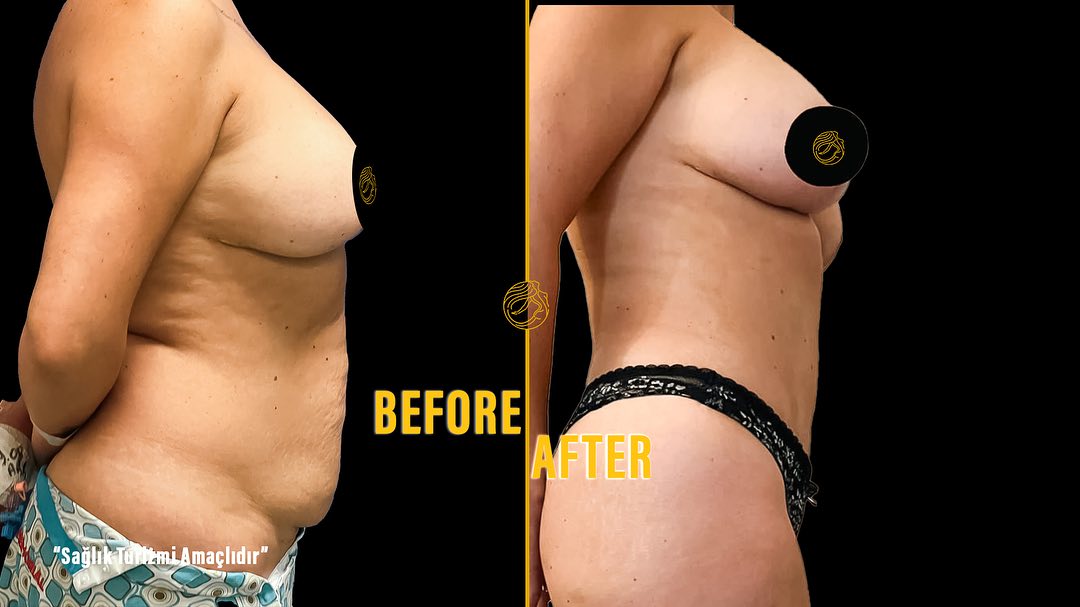
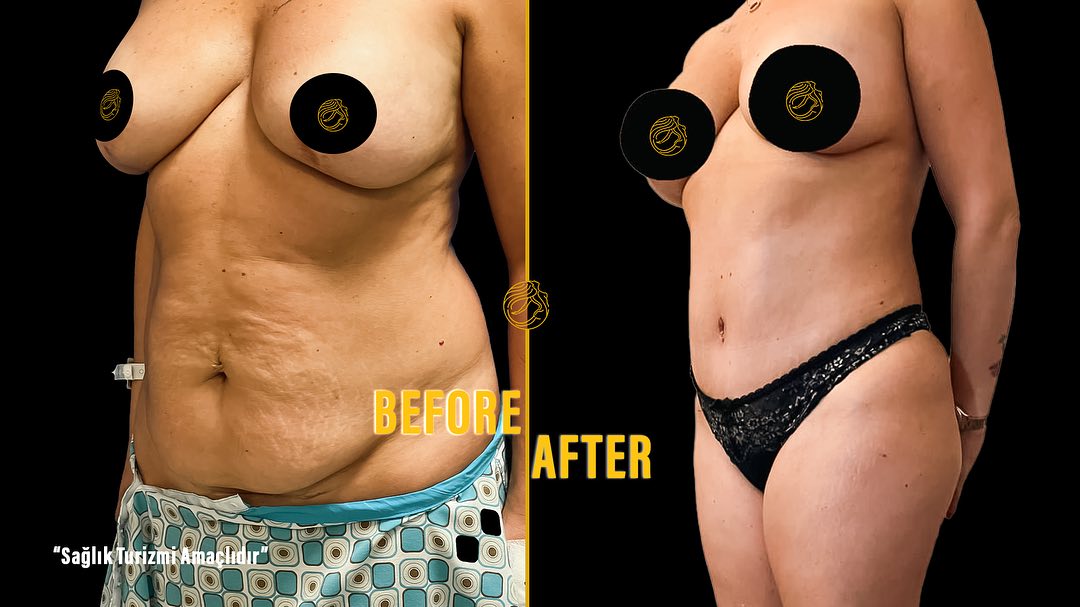
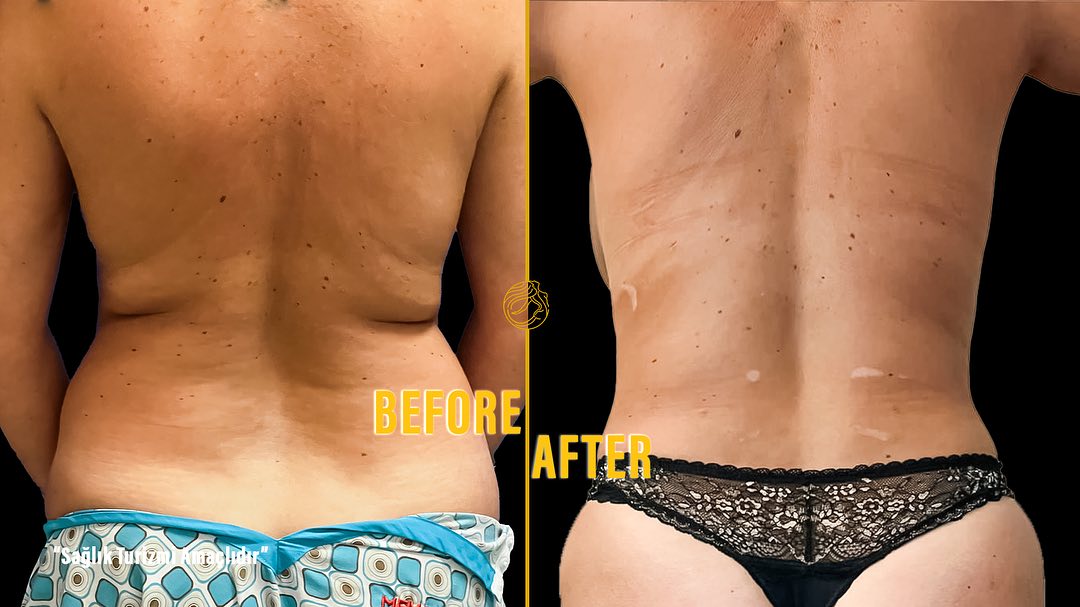
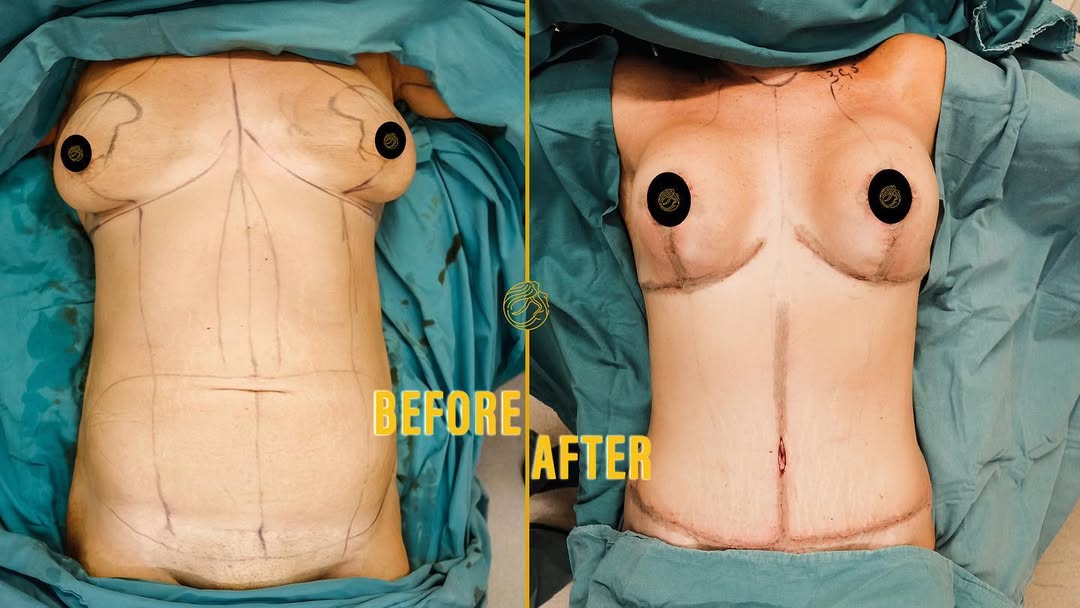
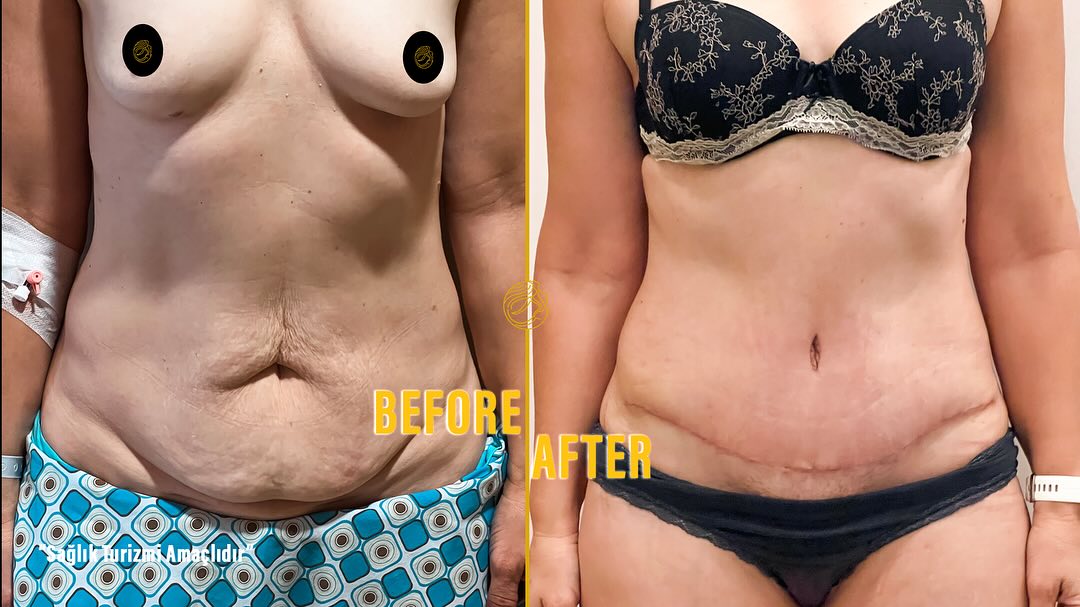
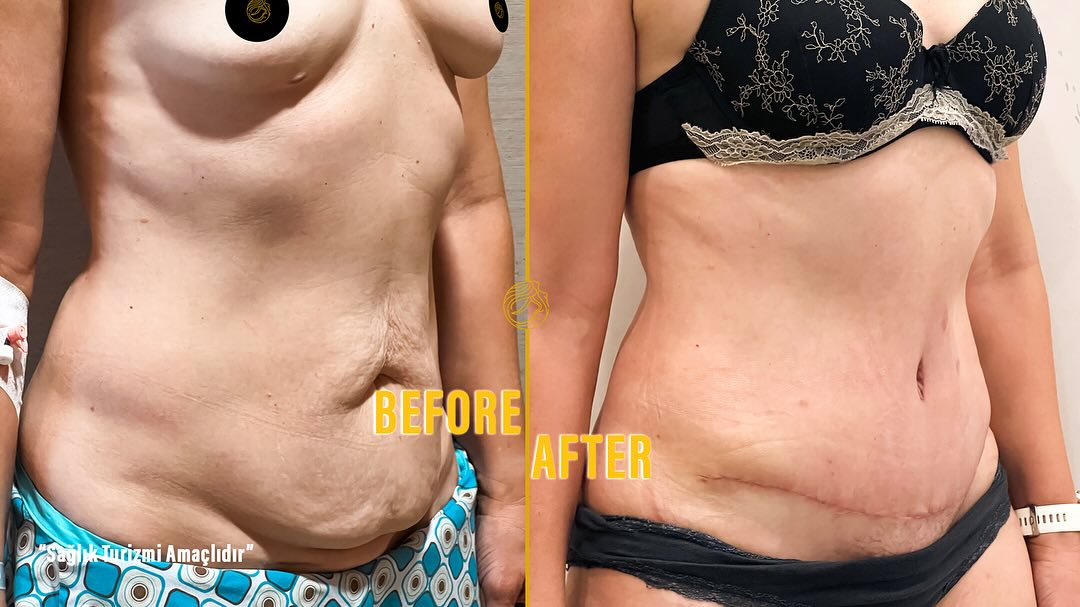
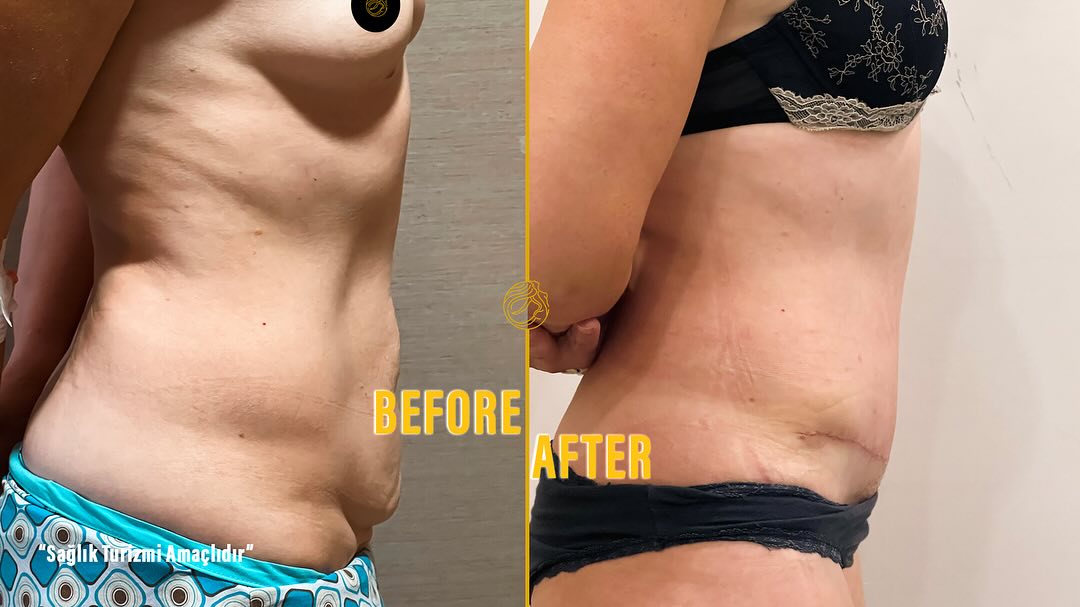
A mummy makeover usually includes a tummy tuck, some form of breast surgery and liposuction, with optional additions like fat transfer or buttock contouring. But the right combination is the one that matches your body, your priorities and your plans for the future.
If you're considering a mummy makeover in Antalya, get in touch to arrange a consultation with Op. Dr. Onur Oğan. You can also send your photos via WhatsApp for a preliminary assessment.
The term usually refers to at least two procedures combined. If you only need a tummy tuck or only a breast lift, you'll simply have that procedure on its own.
Often, yes. But if the plan is extensive, it may be safer to split it into two stages several months apart.
In most cases, yes. The skin and fat hanging over the scar are removed, and the old scar is usually taken out within the new incision.
Generally, at least six months after birth and several months after you've finished breastfeeding, once your body and weight have settled. For more answers, see our mommy makeover FAQ.
Medically reviewed by Op. Dr. Onur Oğan, Plastic, Reconstructive and Aesthetic Surgeon ·
“This page is for informational purposes only. For diagnosis and treatment, please consult your doctor.”